The images interleaved between the chapters. A visual history of philosophy, from Socrates and Plato to Kant, Nietzsche, Camus, and the thinkers of the modern world. Each tabula explores a philosopher, an idea, a school of thought, or a work of art that shaped the way we understand reason, knowledge, beauty, society, and existence.
From ancient Athens to the modern world, Tabulae brings philosophy and art together, tracing the thinkers, ideas, and images that have shaped our understanding of what it means to be human.
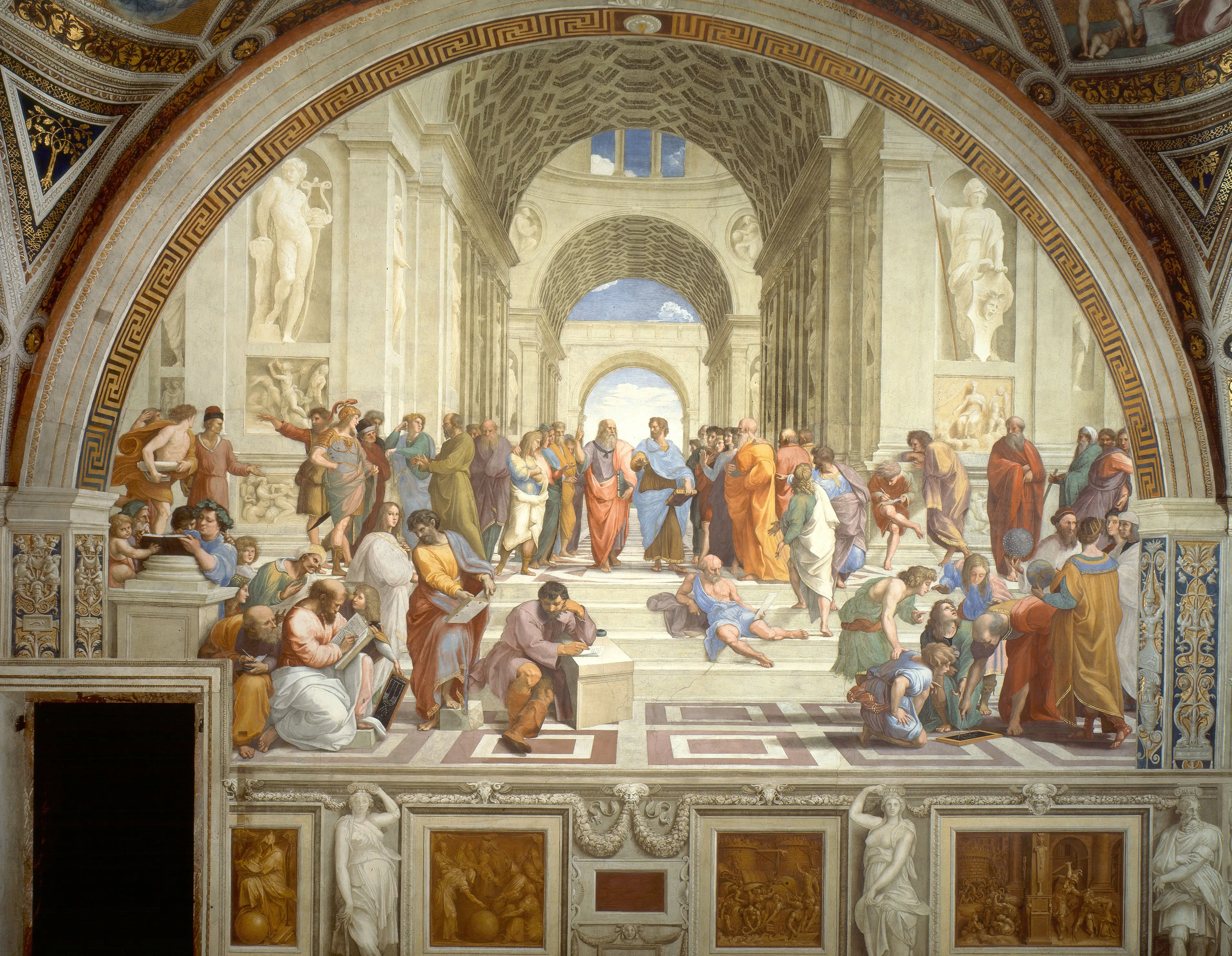
Tabula IIThe School of AthensRaphael, 1509–1511The School of Athens is a masterpiece of the Renaissance that celebrates human knowledge, reason, philosophy, and the pursuit of truth.Wikimedia Commons · Public domain
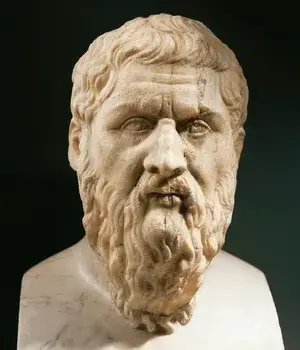
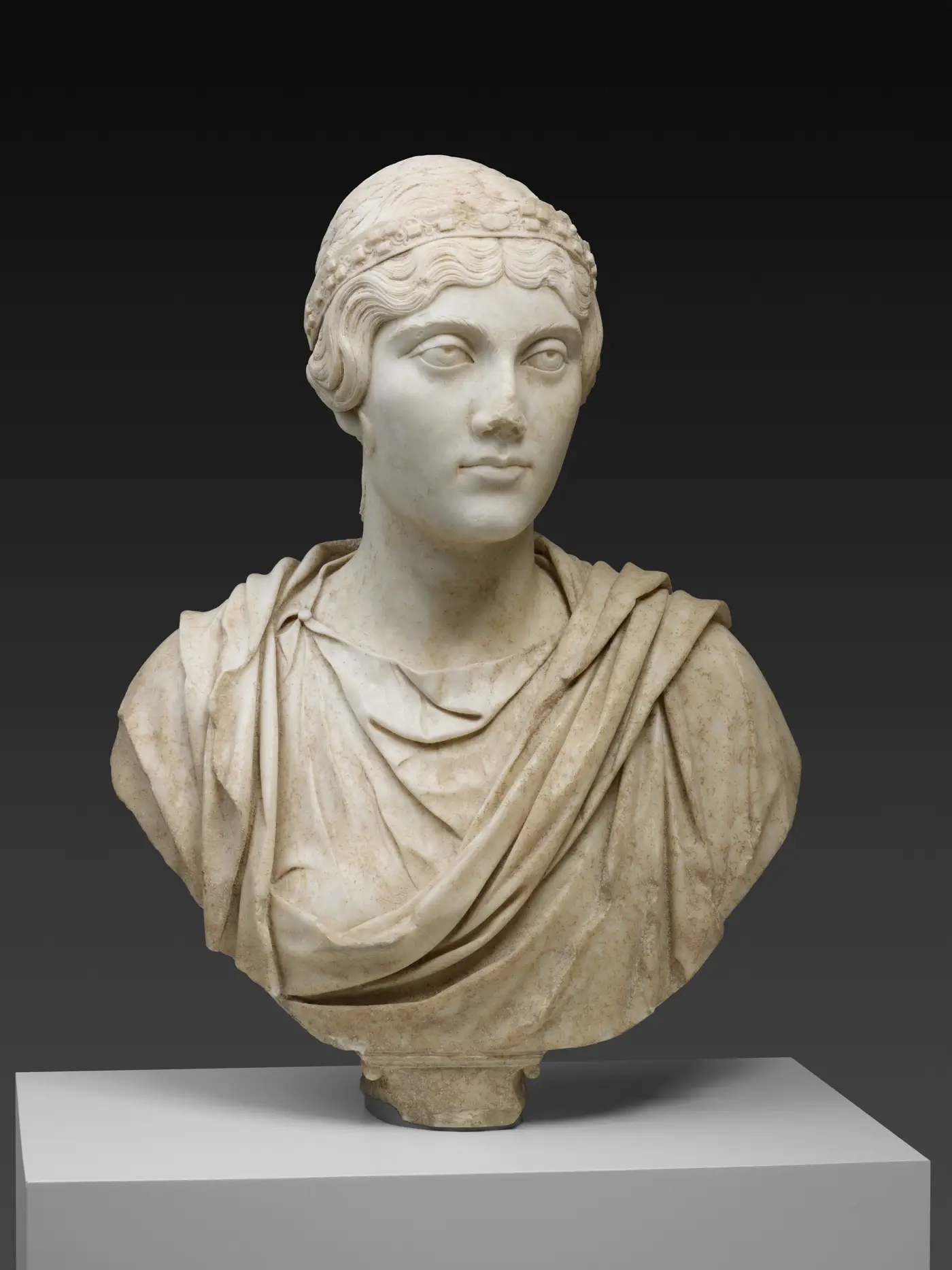
Tabula IVThe Greek philosopher PlatoUnknown, Plato (born 428/427 bce, Athens, Greece—died 348/347, Athens)The Greek philosopher Plato Plato, marble portrait bust copied from an original of the 4th century bce; in the Capitoline Museums, Rome.Capitoline Museums, Rome.
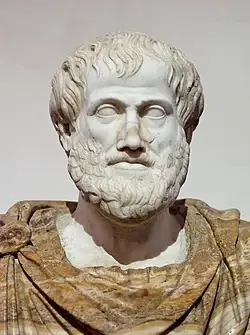
Tabula VAristotleLysippos cast the primary bronze likeness of Aristotle around 330 BC, born in 384 BC in Stagira, Greece, and died in 322 BC at the age of 62 in Chalcis, GreeceRoman copy of a Greek bust of AristotleNational Roman Museum (Palazzo Altemps)
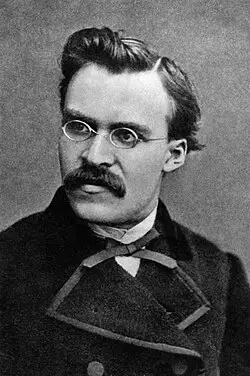
Tabula VIIFriedrich NietzscheUnknown, born on October 15, 1844, in Röcken, Prussia, and died on August 25, 1900, in Weimar, Germany."God is dead, and your petty distractions won't fill the void He left behind." - Friedrich NietzscheNietzsche in 1869
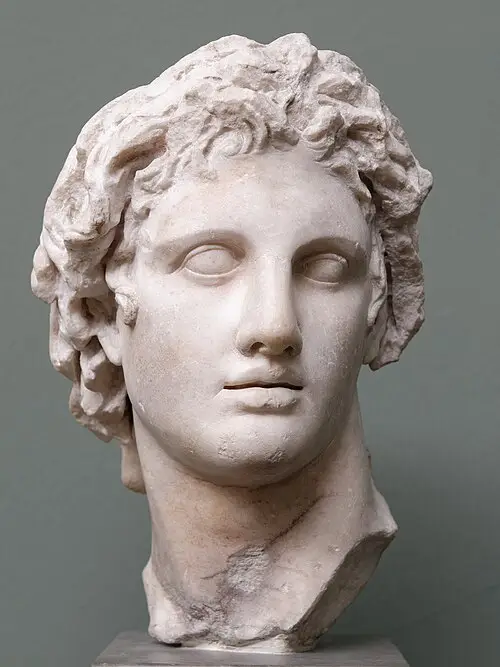
Tabula VIIIAlexander the GreatUnknown, born on July 20 or 21, 356 BC in Pella, Macedonia, and died on June 10 or 11, 323 BC in Babylon at the age of 32Philip of Macedon forged the hammer. Alexander just swung it until it broke.Alexandria, Egypt
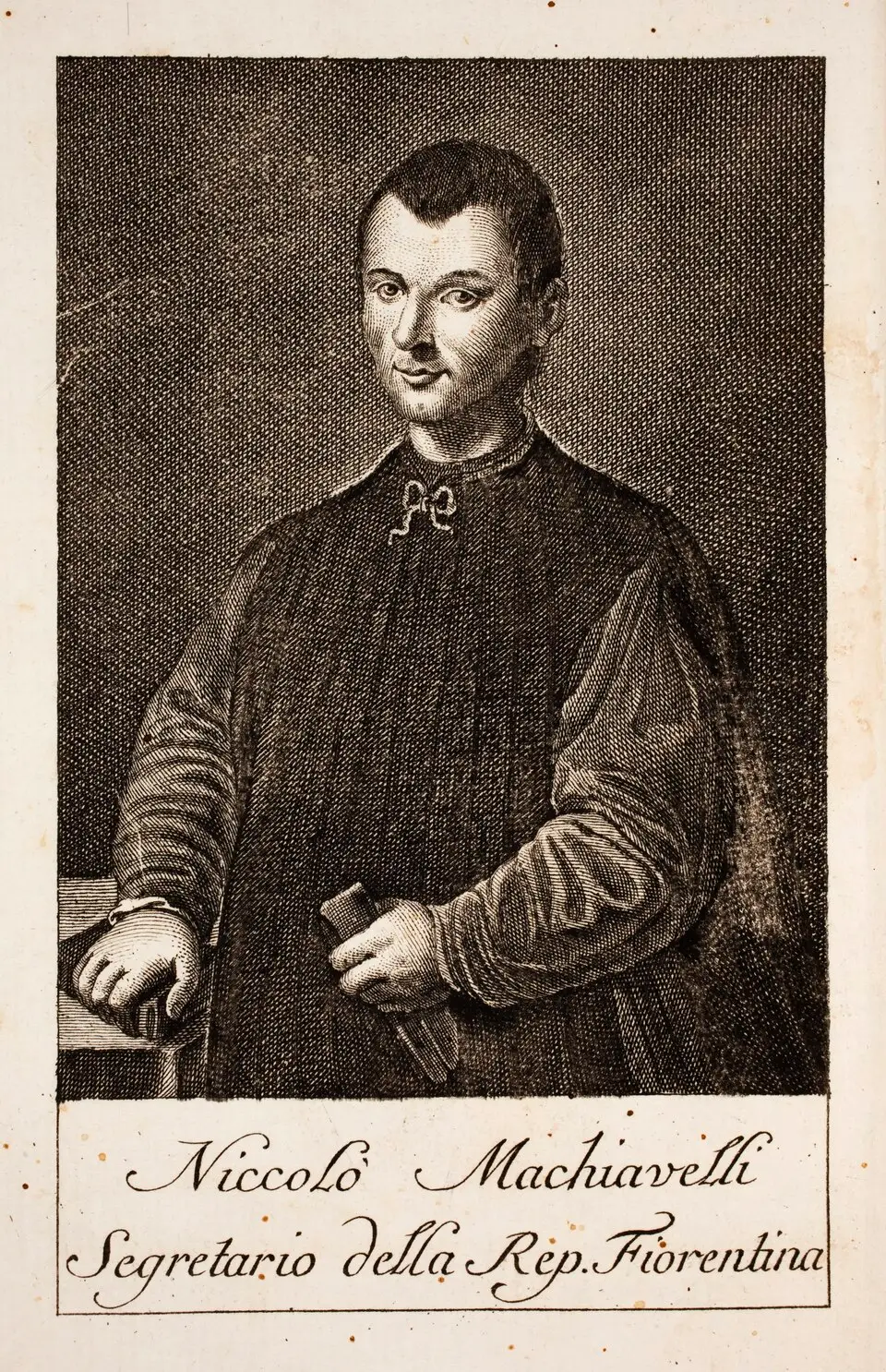
Tabula XVIINiccolò MachiavelliUnknown, born on May 3, 1469, and died on June 21, 1427 (at age 58), in Florence, Italy.“Politics is not about the world we wish existed, but about understanding the world as it truly is.”Niccolò Machiavelli, secretary of the Florentine Republic
Tabula XVIIIIbn KhaldunUnknown, born on May 27, 1332, in Tunis, Tunisia, and died on March 17, 1406, in Cairo, Egypt.“Civilizations do not simply rise and fall. They are built by people, held together by social bonds, and destroyed when those bonds become weak.”Bust of Ibn Khaldun in the entrance of the Kasbah of Bejaia, Algeria
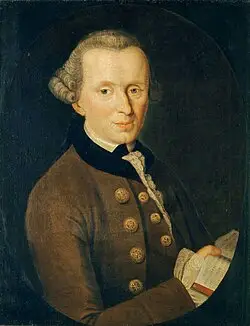
Tabula XIXImmanuel KantPortrait by Johann Gottlieb Becker, 1768, born on April 22, 1724, and died on February 12, 1804, at the age of 79.“What if the world you experience is not simply the world as it is, but the world as your mind allows you to see it?”This famous 1768 oil painting portrait of the German philosopher Immanuel Kant, painted by Johann Gottlieb Becker, is physically housed in the Schiller-Nationalmuseum located in Marbach am Neckar, Germany
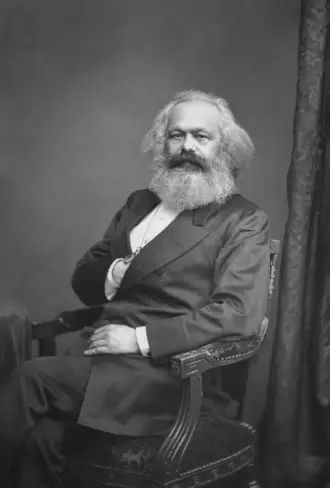
Tabula XXKarl MarxPhotograph by John Jabez Edwin Mayall, born on May 5, 1818, in Trier, Prussia (now Germany) and died on March 14, 1883, in London, England at the age of 64.The Philosopher Who Asked Why Human Beings Create a World That Can Dominate Them.Marx in 1875
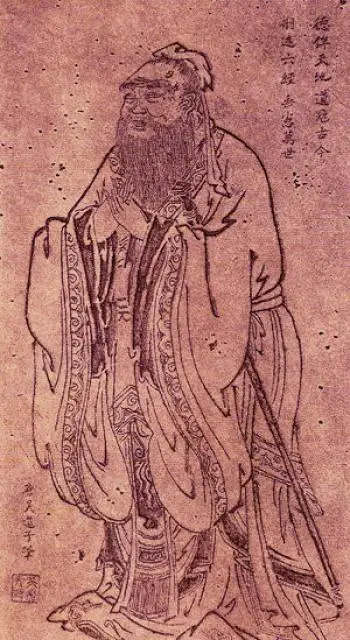
Tabula XXIConfuciusWu Daozi, Confucius was born on September 28, 551 BCE and died in 479 BCE (traditionally given as April 11, 479 BCE) at the age of 72 or 73 in Qufu, state of Lu, China.What if the secret to a better society is not changing the world first, but changing the way we treat the people around us?The teaching Confucius. Portrait by Wu Daozi
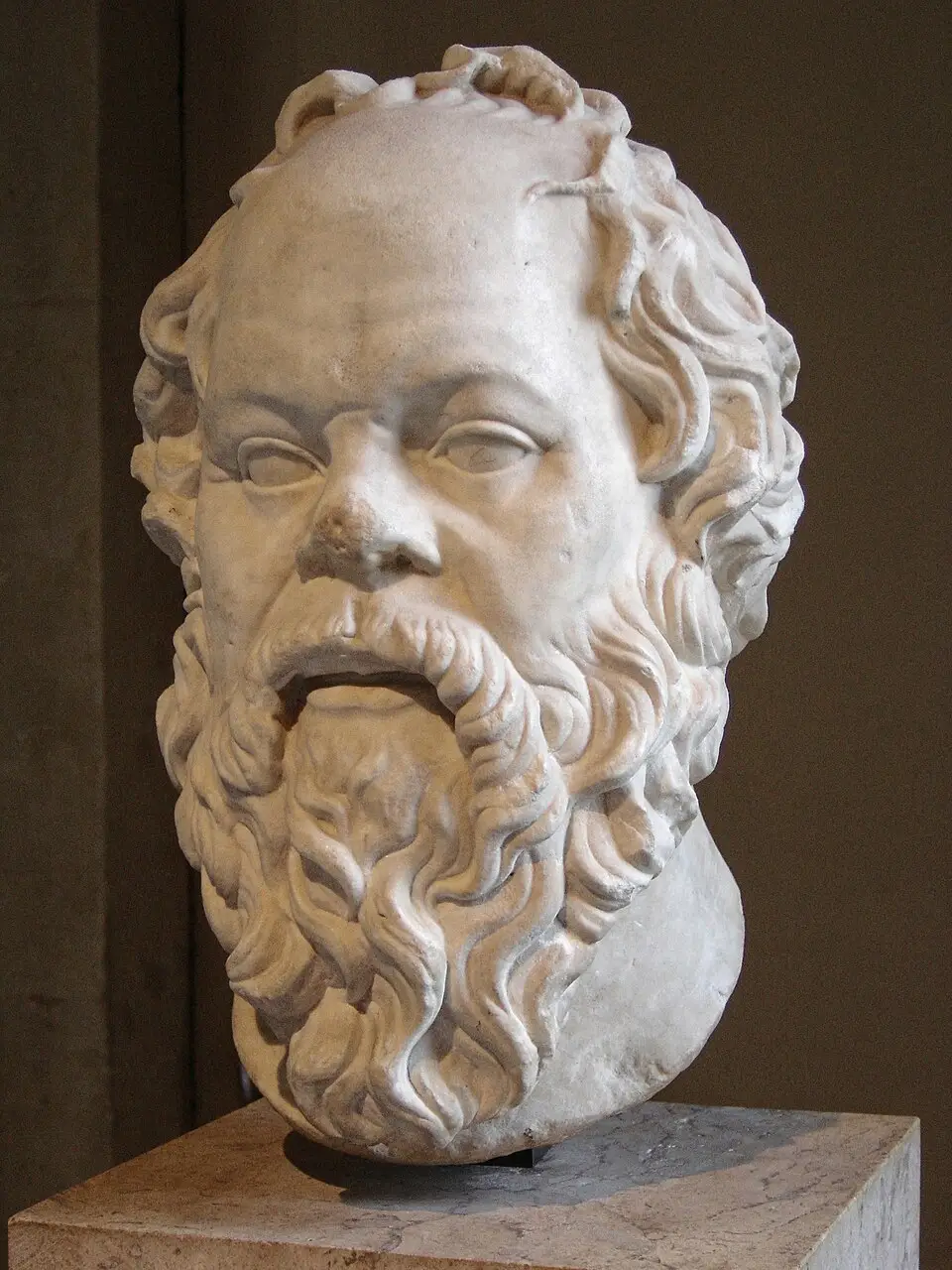
Tabula XXIISocratesLysippos, The ancient Greek philosopher Socrates was born around 470/469 BC and died in 399 BC at about 71 years old in Athens, Greece.Socrates spent his life asking questions that made other people uncomfortable. He did not build a school, write a book, or claim to possess wisdom. Instead, he walked through Athens asking people what justice, courage, virtue, and knowledge really meant. In the end, Athens executed him for doing exactly that. His life left behind one of philosophy's most disturbing questions: what if a life without self-examination is not really a life worth living?Portrait of Socrates. Marble, Roman artwork (1st century), perhaps a copy of a lost bronze statue made by Lysippos. Current location Department of Greek, Etruscan and Roman Antiquities, Sully wing, ground floor, room 17
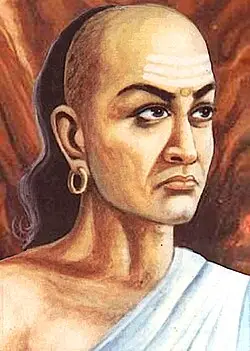
Tabula XXIIIChanakyaUnknown, Chanakya (also known as Kautilya or Vishnugupta) was born around 350 BCE and died around 275 BCE or 283 BCE in ancient India.The Thinker Who Asked How a Weak State Can Survive in a World Where Power, Strategy, and Human Ambition Never DisappearArtistic depiction of Chanakya
Tabula XXVThe Creation of AdamMichelangelo, c. 1512The Almost-Touching Moment When Humanity Enters the WorldSistine Chapel, Vatican City
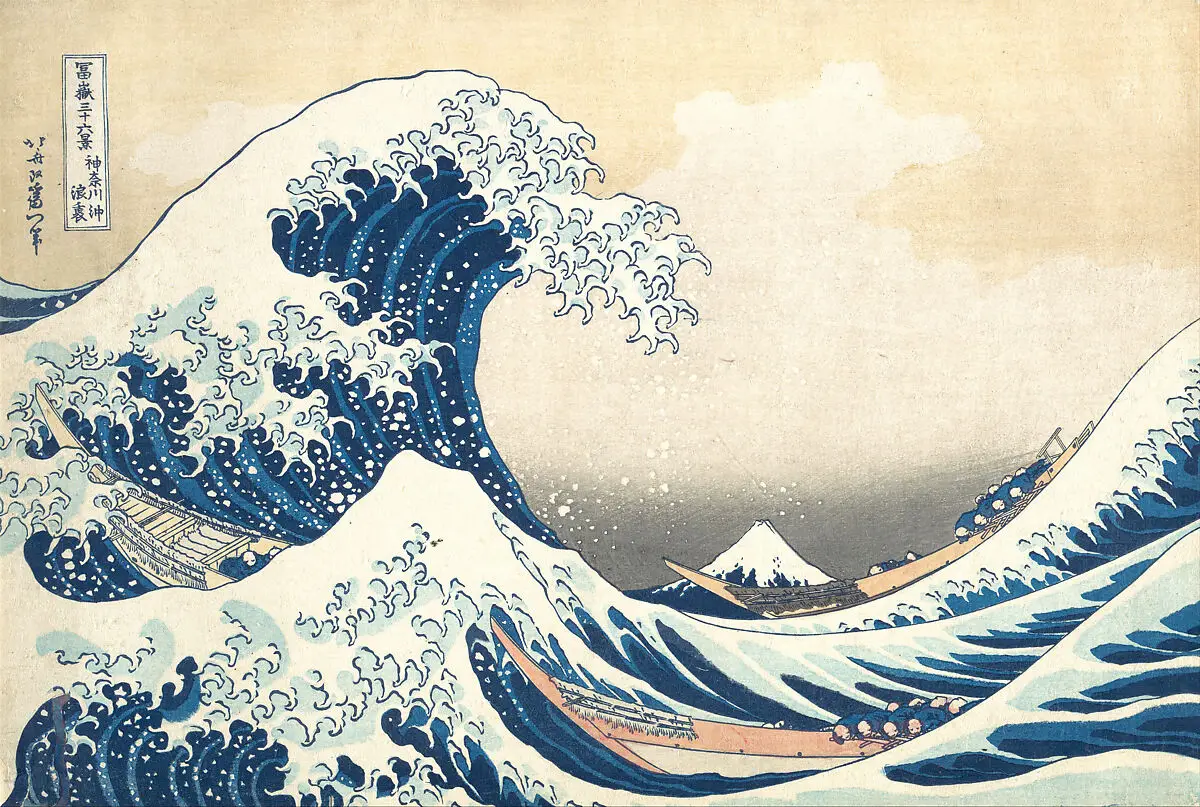
Tabula XXVIThe Great Wave off KanagawaKatsushika Hokusai, 1831When Nature Reminds Humanity How Small It IsMetropolitan Museum of Art
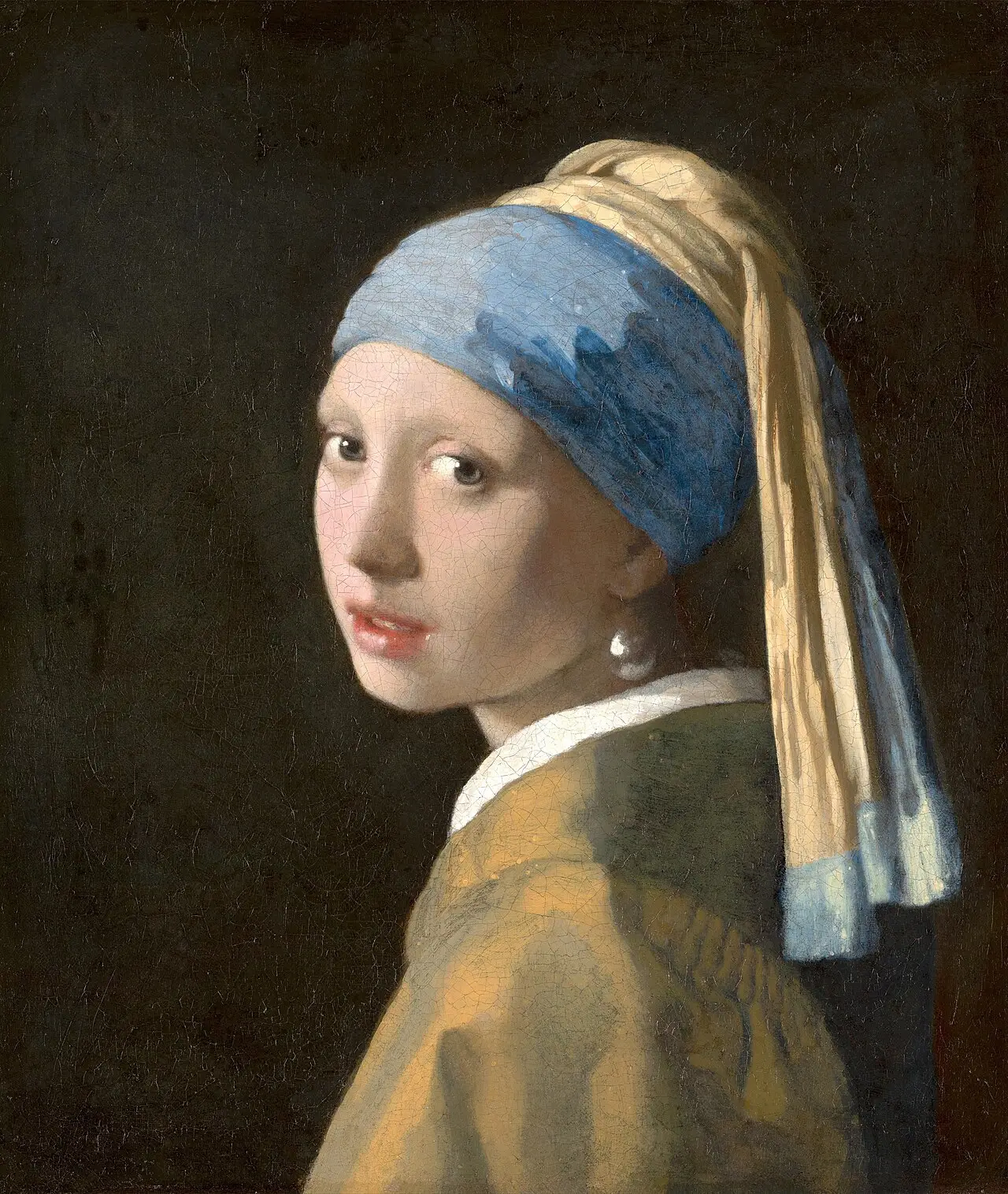
Tabula XXVIIGirl with a Pearl EarringJohannes Vermeer, c. 1665The Face That Refuses to Give Away Its SecretMauritshuis, The Hague, Netherlands
Tabula XXVIIIJohn LockePortrait by Sir Godfrey Kneller, 1697, John Locke was born on August 29, 1632, in Wrington, Somerset, England, and died on October 28, 1704, in High Laver, Essex, England.The Philosopher Who Asked How Free Human Beings Can Live Under Political Power Without Becoming Its PropertyHermitage Museum in Saint Petersburg, Russia.
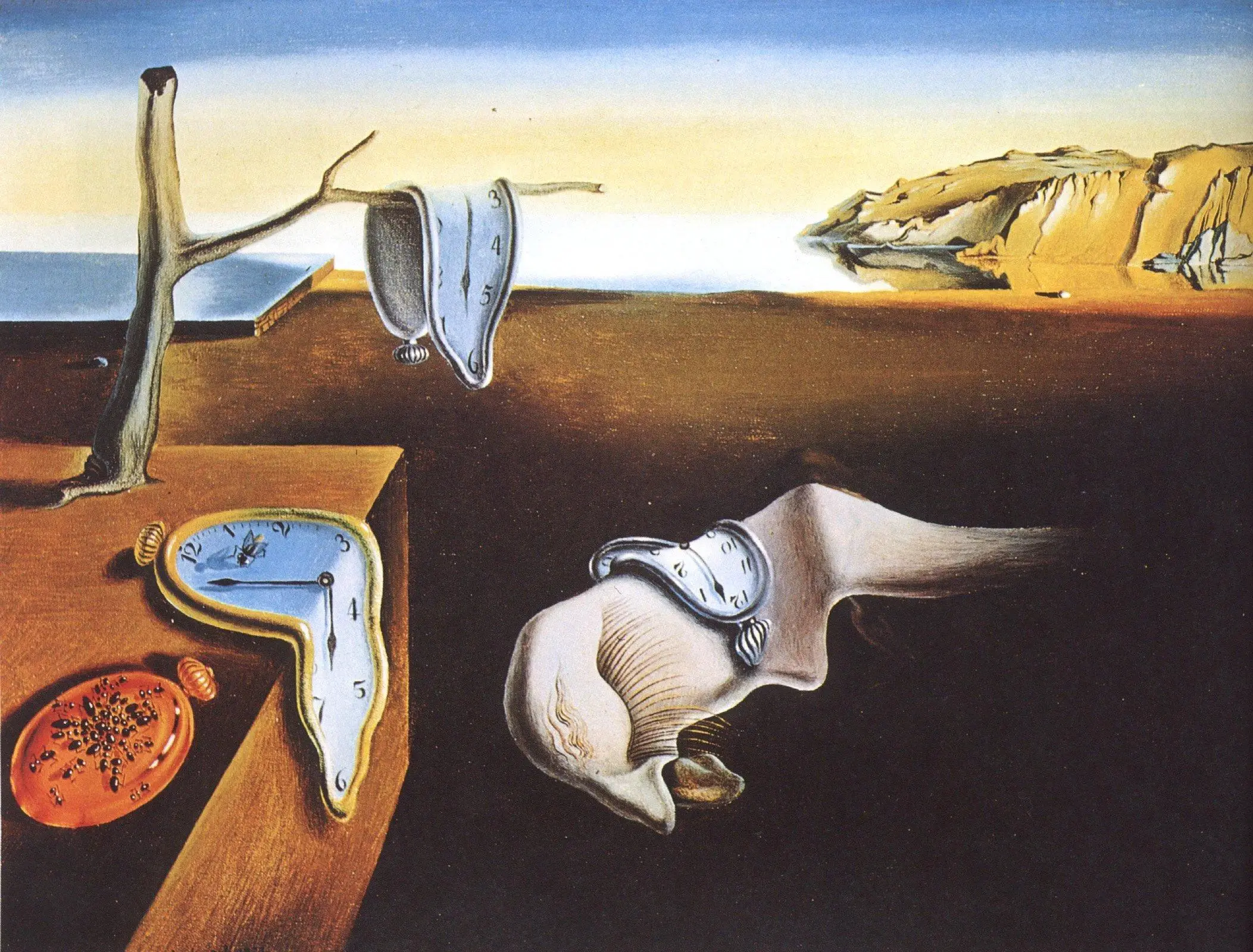
Tabula XXIXThe Persistence of MemorySalvador Dalí, 1931When Time Stops Behaving Like TimeMuseum of Modern Art, New York City
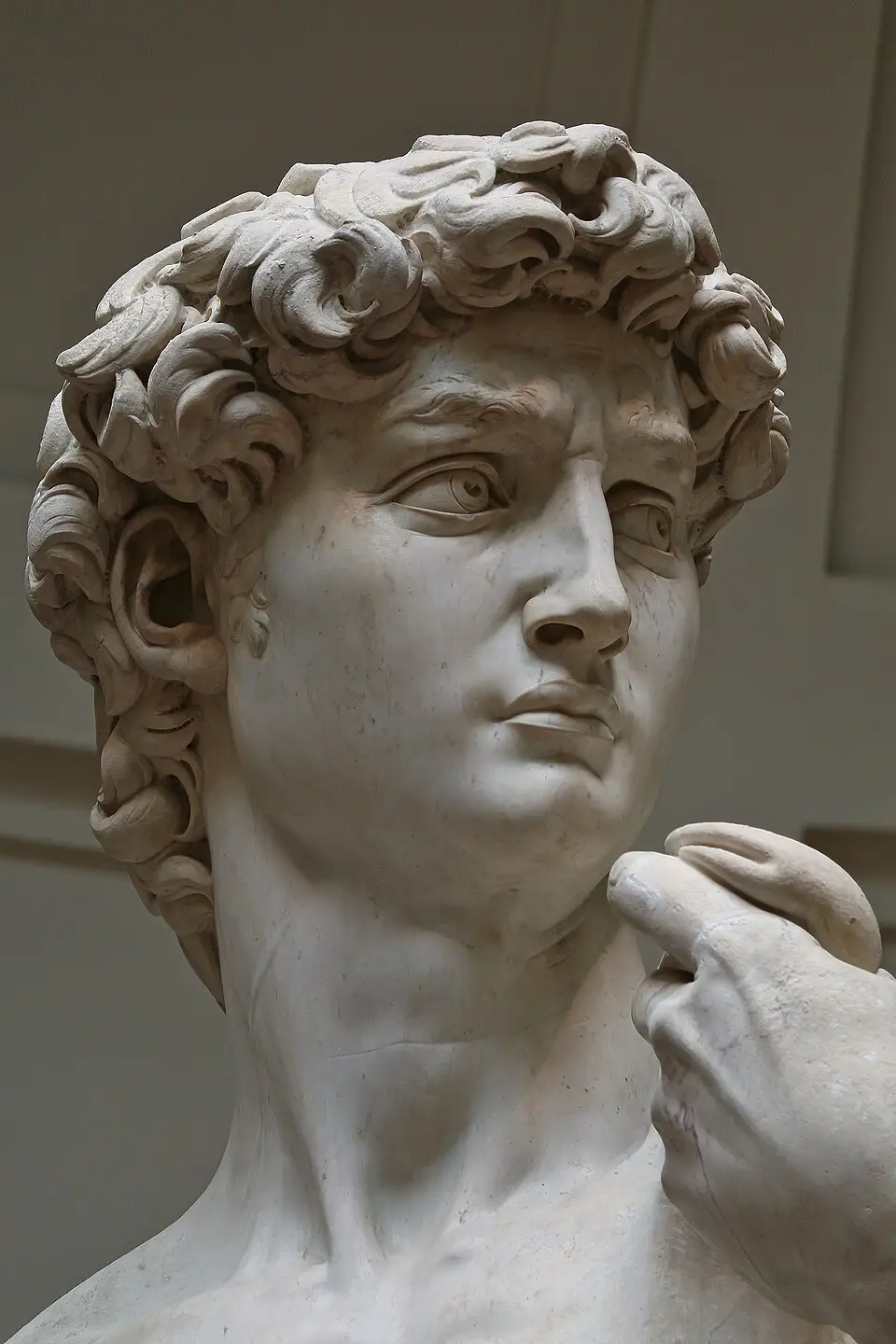
Tabula XXXDavidMichelangelo, c. 1501 – June 8, 1504The Moment Before the Giant FallsGalleria dell'Accademia, Florence, Italy


_-_Google_Art_Project.M_BOIEfC_f1TXT.webp)
.mr89RZaq_ZHS9HL.webp)


.oaj9bQqw_2hpwtw.webp)
.Bbw3gwsV_29r5Y9.webp)